

Electra City Tower
58 Harakevet St.
Tel Aviv
6777016
Ran Karmi
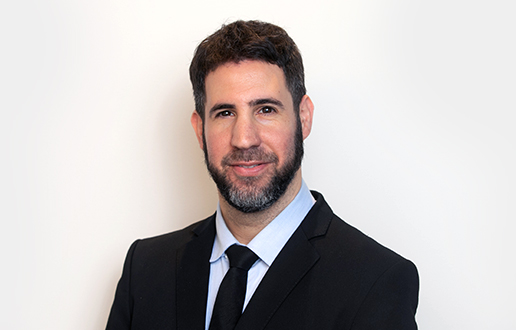
Dr. Ran Karmi is a member of the firm’s Antitrust and Competition Department.
Ran advises both Israeli and foreign corporations on mergers and acquisitions, dominant and monopolistic status, restrictive arrangements, and tender agreements.
Ran represents the firm’s clients before the Israel Competition Authority, the Competition Tribunal, and all levels of Israeli courts in proceedings involving antitrust and competition matters, as well as in other commercial litigation.
He boasts extensive previous experience as an attorney specializing in intellectual property and its regulation.
Ran served as an antitrust research assistant to Professor Michal S. Gal and an intellectual property research assistant to Professor Niva Elkin-Koren, both at the University of Haifa. During the course of his studies at the University of Haifa, Ran served as chief counsel of the Student Union and took part in numerous and diverse academic projects.
Ran was awarded a Ph.D. in Law from Bar-Ilan University in 2025, with a dissertation on enhanced damages in contract law.
Prominent legal directory The Legal 500 ranks Ran as a Recommended Lawyer in Competition and Antitrust.
Prior to joining Barnea, Ran served in the antitrust and competition department of a boutique law firm.
Education:
University of Haifa, LL.M., Law and Technology Program (2nd in his class), 2011
University of Haifa, LL.B. (magna cum laude and Dean's List), 2011
University of Haifa, B.A. in Economics, 2011
Bar-Ilan University, Ph.D. in Law (Dissertation on Enhanced Damages in Contract Law), 2025
Admission:
Israel Bar Association, 2012
Insights & News - Ran Karmi:
2025 Year-End Review: Competition and Antitrust
The trends recorded in 2025 show that regulatory authorities are tightening enforcement, not only in cases of coordination between competitors, but also in cases involving public statements that may spur such coordination, non-controlling minority shareholding in competitors, or any other conduct that may raise barriers to competition.